While the perfect suit might sound elusive, it’s in the reach of every man and his tailor. It
Length
General knowledge
Shoulders

Anyone who knows tailoring will look at a suit jacket’s shoulders first. It’s important to get this part of your suit right, as it’s nearly impossible to fix after the fact. Your jacket shoulder should lay flat, perfectly in line with the natural flow of your shoulder. How do you know it’s flat? There should be no divots, creases
Sleeves

Torso
Your jacket should hug your body lightly without making you feel uncomfortable. This means you can stand up straight with
Collar
Your collar should rest on your shirt collar. They should be no noticeable gap between the two, nor should they be inseparable. A good fit doesn’t look
Armholes
Armholes that sit high are the more flattering and tailored look, but they shouldn’t dig into your armpits. You should be able to move your arms freely without feeling like your entire jacket is moving with them. If that’s the case, your tailor will need to increase their size.
Trousers

The waist of your trousers should be your exact size, meaning it should stay fast without a belt. Suit trousers sit higher than casual trousers like chinos or jeans. Just as your jacket does, the seat of your trousers should lightly hug your behind without squeezing it or being baggy. Finally, opt for a slight break in the trouser leg—a fold at the approximate height of the ankle. Though a full break is
We hope your next appointment with your tailor is informative, armed with an understanding of fit basics. Master these with a skilled made-to-measure tailor and leave no room for error.
Many high-rise dwellers are throwing themselves into work and remaking their businesses during the long periods of isolation brought about by successive lockdowns.
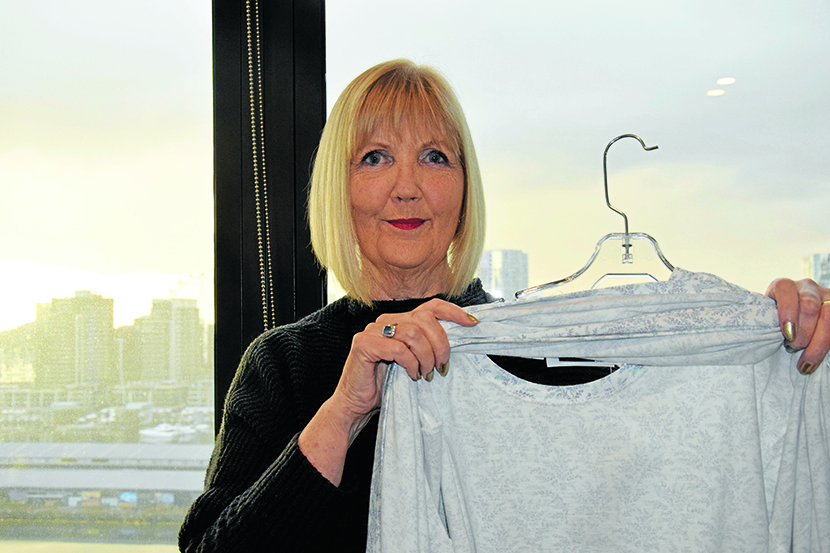
Linda Dugan, a resident of Victoria Point, runs a global clothing business from her apartment, manufacturing garments for nursing homes.
During the lockdown, her business crashed when she lost connection with her manufacturer.
Holed up, like everyone, between four enclosing walls, she threw herself onto the internet and managed to sign up a new one in China.
“To keep going I had to search,” she said. “That entailed a lot of thinking in a different direction.”
Prior to the lockdown she had piggybacked on another Australian company with links in China but they stopped manufacturing.
“I’d grown up in the clothing industry in storerooms in Flinders Lane where there was a lot of stuff on the shelves and you didn’t need to have a plan,” she said.
“Now six months out, I have to know all facets of importing and timelines and I’m doing it from my apartment.”
The story of Linda’s product, stored in warehouses in Dandenong and the United Kingdom, is a heart-rending tale of how the fashion industry is not just about dressing up the young but helping out the old.
Linda worked as a swimwear buyer for Myers and used her knowledge of knit fabric to design what she called a “petal-back nightie”.
The tragic reality of nursing home and palliative care patients is that many are too stiff to lift their arms over their head.
“Because nurses concentrate on health care they don’t have enough time to worry about wardrobe. Nurses can identify when someone is no longer able to dress themselves. They can tell from the anxiety.”
Linda designed a nightie for her own grandmother so that the shoulders were pulled back to get it on and off. Two tulip petals overlap from shoulder to shoulder.
She began manufacturing and soon Petalback Clothing was selling thousands of nighties.
She said the lockdown created a greater need because families were not allowed to visit and there was less awareness of patient’s needs.
Linda got a working permit to go to her Dandenong warehouse two days a week so she could keep up with orders.
“I used it to get out of my one-bedroom apartment,” she said. “The change here is dramatic. There used to be 5000 people coming into Docklands. When all the streets are dead quiet it’s like Armageddon. It’s incredibly lonely.”
The business is Linda’s passion. “It can make a difference to people’s lives,” she said •